
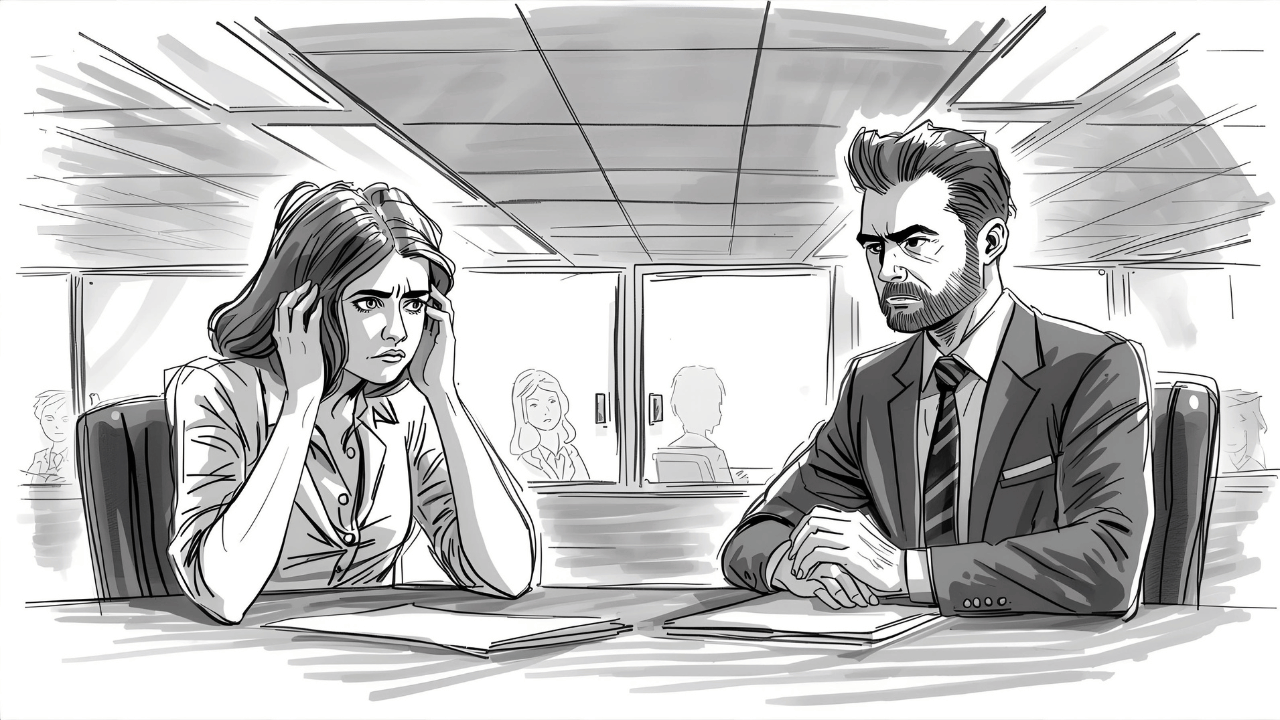
The hiring manager leans back in her chair, scanning your resume for the third time. Her eyes keep returning to the same spot: that nine-month gap between your last role and the one before it. She's not judging you for taking time off. She's worried about what it means for her department's performance next quarter.
This distinction matters more than most job seekers realize.
After reviewing thousands of resumes and working with hundreds of candidates over the past decade, I can tell you with certainty that career breaks don't eliminate you from consideration. Poor explanations do. The difference between a career break that raises red flags and one that barely registers comes down to how you frame it and what story you tell.
The Real Cost of Career Breaks (It's Not What You Think)
Let's start with what hiring managers actually worry about when they see a gap. It's rarely about your commitment or work ethic, despite what career advice blogs might suggest. Their concerns are far more practical.
First, they worry about skill decay. A software engineer who took eighteen months off to care for an aging parent faces legitimate questions about whether their technical knowledge remained current. Did they keep up with new frameworks? Are they familiar with the tools the team uses now? These aren't unreasonable concerns in fields where technology evolves quickly.
Second, they worry about momentum. Someone who worked steadily for five years, took three years off, then worked another two years before taking another eighteen-month break creates a pattern that suggests instability. Not because the person is unreliable, but because the hiring manager needs someone who will stick around long enough to justify the investment in hiring and training them.
Third, they worry about expectations. A candidate who spent two years traveling the world after selling a startup might have different salary requirements or work-life balance expectations than someone who worked straight through. Again, not wrong - just something the manager needs to understand before making an offer.
None of these concerns are about the career break itself. They're about what happens next.
Why Most Career Break Explanations Fail
I've seen dozens of candidates fumble career break explanations, and the mistakes follow predictable patterns.
The vague deflection is the most common. "I took some time off for personal reasons" tells me nothing useful. It doesn't address whether you kept your skills sharp. It doesn't explain what you're looking for now. It just creates more questions than it answers. Every hiring manager knows people take breaks for personal reasons. What they need to know is whether those reasons will affect your performance or tenure.
The overshare is almost as bad. I once had a candidate spend fifteen minutes explaining the details of their divorce, their custody arrangement, and their therapy journey during a screening call. It was uncomfortable for everyone involved, and more importantly, it didn't address whether they could do the job. Personal struggles are valid. But a job interview isn't therapy, and your explanation should focus on professional context, not intimate details.
The defensive stance is a close third. Some candidates treat the career break question like an accusation. "I have every right to take time off" or "Lots of people take breaks" might be true, but they don't build confidence. They suggest the candidate is more focused on being right than on addressing the hiring manager's actual concerns.
Then there's the weak explanation that actually creates doubt where none existed. "I couldn't find anything I wanted" or "The market was tough" makes you sound passive and indecisive. It suggests you were looking but couldn't land a role - which is very different from choosing to take time off.
What Good Explanations Look Like
The candidates who handle career breaks well do three things consistently.
First, they name it directly and briefly. "I took fourteen months off to care for my father after his stroke" is clear and sufficient. It explains the timeline and the reason without oversharing. It also signals that the situation was temporary and specific, not an ongoing issue that might affect future performance.
Second, they maintain professional continuity. The best explanations include what you did to stay current. "While I was out, I completed two online courses in data visualization and kept up with industry news through professional communities" demonstrates you didn't completely check out of your field. For resume writing purposes, you might even include relevant projects or consulting work you did during this time.
Third, they redirect to the future. After briefly explaining the break, successful candidates immediately pivot to why they're excited about this specific role. "Now that my father is in assisted living and stable, I'm ready to return full-time, and I'm particularly interested in this position because..." This shift demonstrates forward momentum and gives the hiring manager something concrete to focus on besides the gap.
The Resume Strategy That Actually Works
Most career break advice tells you to use a functional resume format to hide gaps. This is terrible advice. Functional resumes raise more red flags than they solve because hiring managers know exactly why you're using one. I’ve yet to meet one recruiter or hiring manager who likes reading them.
Instead, address the gap directly on your resume in a way that neutralizes it. You have two options, depending on your situation.
For longer breaks with clear endpoints, add a brief line in your experience section. Between your last role and the one before it, include:
Career Break (January 2022 - September 2023)
Full-time caregiver for family member
That's it. You don't need paragraphs. You don't need to justify it. You just need to name it so it doesn't look like an oversight or raise questions about whether you were actually employed somewhere you're hiding.
For shorter breaks or breaks during which you did meaningful work, treat them like any other position:
Independent Consultant (March 2023 - December 2023)
Provided marketing strategy consultation for three small businesses while maintaining flexibility for family commitments
This approach works because it demonstrates you remained professionally active. It shows you were doing real work, even if it wasn't in a traditional employment arrangement. And it makes your return to full-time work feel like a logical next step rather than a desperate scramble back into the workforce.
The key is proportionality. Don't give the career break more real estate on your resume than it deserves. A six-month break shouldn't dominate your professional summary. A two-year break might warrant slightly more explanation, but it still shouldn't be the centerpiece of your narrative.
The Interview Strategy That Builds Confidence
Preparing for interviews when you have a career break requires a different kind of preparation than standard interview prep. You need to anticipate the question and have a crisp, confident response ready.
Practice saying your explanation out loud until it feels natural. The goal is to deliver it in fifteen to thirty seconds maximum. Any longer and you risk over-explaining. Any shorter and you might sound evasive.
Here's a framework that works consistently:
Name the gap and the reason: "I took sixteen months off to handle a family medical situation."
Demonstrate you stayed current: "During that time, I took two courses in project management and kept up with industry developments."
Show forward momentum: "Now I'm ready to return full-time, and I'm excited about this role because it combines my experience in operations with the chance to work in a growth-stage company."
Notice what's not in there: defensiveness, over-explanation, or apology. You're simply stating facts and moving forward.
The tone matters as much as the content. Deliver this information with the same confidence you'd use when describing your last job. If you treat the career break like a scandal you're confessing, the interviewer will pick up on that uncertainty. If you treat it like one chapter in your broader professional story, they'll do the same.
When Career Breaks Actually Do Matter
I'm not going to pretend all career breaks are viewed equally. The reality is that some breaks raise more concerns than others, and pretending otherwise doesn't help anyone.
Multiple short breaks create a pattern. One six-month gap over a fifteen-year career is barely noteworthy. Three six-month gaps in five years suggests something more systemic. Maybe you're dealing with chronic health issues. Maybe you're cycling through jobs quickly and taking breaks between each one. Maybe you're not sure what you want. Whatever the reason, the pattern itself becomes the concern because it suggests future unpredictability.
Extended breaks in rapidly evolving fields face more scrutiny. A nurse who took four years off can step back in more easily than a software engineer who took the same time off. The medical field changes, certainly, but not at the breakneck pace of technology. If you're in a field where skills become obsolete quickly, your explanation needs to directly address how you've kept pace.
Breaks with no professional anchors are harder to sell. Someone who took a year off to travel while actively maintaining their LinkedIn profile and taking on freelance projects has a much easier path back than someone who went completely dark. The professional network you maintain during a break becomes proof that you're still committed to your field.
Breaks taken in your early career stages require more explanation. Someone with two years of experience who takes a year off has been out of the workforce for a third of their professional life. Someone with twenty years of experience who takes the same year off barely registers a blip. The proportion matters because it affects how hiring managers assess your overall trajectory.
The Skills Gap Is Real (But Solvable)
One legitimate concern about career breaks is skill atrophy. This isn't about judgment; it's about practical job performance. If you've been out of your field for eighteen months, you likely are behind on some developments. Acknowledging this and addressing it proactively is far more effective than pretending it's not a factor.
The solution isn't to become an expert in everything that's changed during your absence. That's impossible. The solution is to demonstrate you're capable of catching up quickly.
Take inventory of what's changed in your field during your break. Read industry publications, join professional groups, follow thought leaders. You don't need to master everything, but you need to know enough to speak intelligently about current trends and challenges.
Identify the two or three most important new developments relevant to the roles you're targeting. Maybe there's a new software platform that's become standard. Maybe there's a regulatory change that's reshaping how work gets done. Maybe there's a methodology that's gained widespread adoption. Focus your learning there.
Better yet, create evidence of your current capabilities. If you're in marketing, run a small campaign. If you're in finance, complete a relevant certification. If you're in operations, volunteer to optimize processes for a nonprofit. These tangible demonstrations of current ability matter more than any explanation you could give.
What to Say When You Don't Have a Good Reason
Not every career break has a compelling narrative. Sometimes people take time off because they were burned out, didn't know what they wanted, or just needed a break from working. These are valid reasons, but they require careful framing.
The mistake is trying to manufacture a profound justification where none exists. "I took time off to find myself" sounds aimless to hiring managers. "I took time off to reassess my career direction" isn't much better if you can't articulate what you learned from that reassessment.
A more effective approach is to frame the break around restoration and intentionality. "After five straight years of intense deadline-driven work, I took nine months to reset and consider what I wanted next in my career" is honest without sounding directionless. Follow it immediately with what you learned: "That time helped me realize I'm most energized by roles that combine strategy with execution, which is why I'm particularly interested in this position."
The key is moving quickly from what you took time off from to what you're moving toward. The hiring manager doesn't need to understand your entire journey. They need to believe you've made an intentional decision to be here, talking to them about this role.
The Situations That Require No Explanation
Not every gap requires elaborate explanation. A few months between jobs is completely normal and barely registers. If you left your last role in March and started looking in April, taking until July or August to land something doesn't raise eyebrows. The hiring process itself takes time.
Similarly, gaps during economic downturns or industry-wide layoffs need minimal explanation. Everyone understands that when 20% of the tech sector got laid off simultaneously, finding a new role took time. You might mention it briefly, "I was part of the January layoffs and spent four months in a competitive market before landing here," but you don't need to apologize for it.
The same goes for planned transitions. If you left one role in June because you were relocating and didn't start your search in your new city until September, that makes complete sense. "I relocated from Seattle to Austin and took the summer to get settled before beginning my search" is sufficient.
The rule of thumb: if the average person would immediately understand and accept your reason without needing more information, keep your explanation brief. Save the detailed narratives for situations that actually require them.
Moving Forward
The unfortunate reality is that career breaks do require navigation in ways continuous employment doesn't. But the navigation isn't complicated. It's about addressing practical concerns with clear, confident explanations that allow the conversation to move forward to what actually matters: whether you can do the job well.
Your career break doesn't define you. Your skills, experience, and ability to contribute define you. The break is just one chapter in a longer story. Tell that chapter clearly and briefly, then redirect attention to all the chapters that matter more.
Most importantly, stop treating career breaks like secrets to hide or deficiencies to overcome. They're simply facts to address. The more matter-of-fact you are about explaining them, the more matter-of-fact hiring managers will be about evaluating you based on what you can actually contribute.

Cole Sperry has been a recruiter and resume writer since 2015, working with tens of thousands of job seekers, and hundreds of employers. Today Cole runs a boutique advisory firm consulting with dozens of recruiting firms and is the Managing Editor at OptimCareers.com.
