
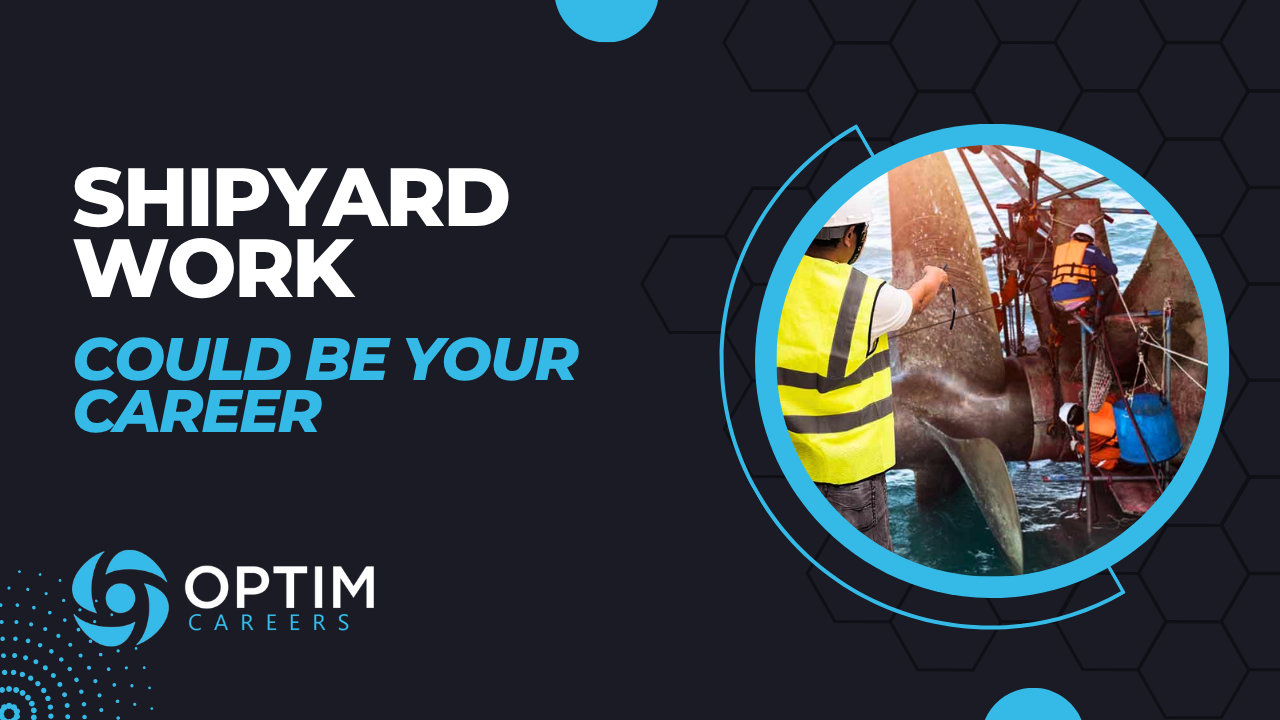
If you want to feel small, stand next to a commercial ship which is a 4 story iron building, drenched, smelling of salt and rotting seaweed, and uncaring about whether tech stocks had a bad morning.
It is also a reminder that a career can begin somewhere other than an office.
We spent decades convincing everyone that sitting in an office and answering emails is the only acceptable way to build a future and then, during a 10 minute discussion, a firm can fire staff, and everyone responds in shock. But on the coast the situation is different, the task simply never ends. Over 80% of everything we buy or build is delivered by sea, and military ships require ongoing repair. Everything that comes into contact with seawater becomes damaged. Steel deteriorates and equipment wears out so the strict regulations necessitate that these vessels be taken out and rebuilt/maintained on a tight timeline. You just cannot delegate it to an app, nor can you send a drydock globally. It requires local engagement.
The money also arrives fast, there are also no student loans eating up half your wage, and you do not have to wait four years to see if the market wants you. The beginning compensation is reasonable, but if you develop specific technical skills and take advantage of additional opportunities, your actual income will improve. People in their early twenties who take this path frequently make more money than their friends with four year degrees, all while remaining debt free. None of this implies that the work is easy. Depending on the trade, you may spend a shift on your feet, hauling equipment, working in cramped conditions, or coping with heat, cold, and noise. You must pay attention even when tired, because mistakes can endanger you or the person next to you. Before committing, it's vital for you to understand what a typical day in the role entails.
Then there's the age cliff, which is quite exciting to see.
More than half of the senior leadership at these yards has reached retirement age. They're flooding out the door, with rarely who in line behind them. In corporate life, you might have to wait seven years for someone above you to retire. If you arrive sober, remain dependable, and study how the institution operates, you will be elevated to leadership years ahead of your time. You don't have to stick with hard physical labor forever, that foundation allows you to smoothly segue into project planning, safety monitoring, or operations management from a desk.
The catch is simply getting through the gate.
Yards respond to severe safety audits. An untrained body on work is an immediate insurance nightmare, therefore submitting an application with no maritime safety knowledge is frequently rejected outright.
The easiest solution is to obtain your OSHA 10-Hour Maritime card beforehand. It demonstrates that you comprehend the environment you’re getting into. Training providers can handle this directly and some of them provide brief in-person sessions near shipyards, as well as an option for the live virtual classes that you can do over the weekend without leaving your day job.
You show up with the credential already in hand, skip the pile of ignored resumes, and walk straight into a real career.